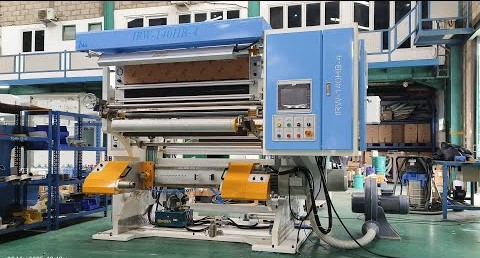
Choosing a lamination process is not just a technical decision. It affects line speed, adhesive or resin cost, substrate compatibility, product performance, and how flexible your production line will be later.
In flexible packaging, the wrong choice can create avoidable problems. You may end up with poor bond strength, unnecessary material cost, limited substrate options, or a line that does not match your production volume. The right choice does the opposite. It supports the structure you need, the output you want, and the commercial reality of the jobs you run.
This guide compares dry laminating, wet laminating, and extrusion laminating in practical terms. It focuses on how each process works, where each one fits, and what to evaluate before you invest in equipment.
Why Lamination Matters in Flexible Packaging
Lamination combines two or more webs into a single structure to improve performance. Depending on the application, the goal may be to add:
- barrier performance
- sealability
- print protection
- stiffness or softness
- chemical resistance
- puncture resistance
- visual appearance
For example, a converter may combine a printed outer web with a sealant layer. Another structure may pair paper with film. In other cases, an extrusion-coated or extrusion-laminated structure may be needed for higher output or specific end-use demands.
The important point is this: lamination is never one-size-fits-all. The best process depends on four things:
- the substrates being combined
- the performance required in the finished pack
- the production volume
- the cost structure you can support
Dry Laminating
Dry laminating is one of the most common methods used in flexible packaging lamination, especially for film-to-film structures.
How the process works
In dry laminating, adhesive is applied to one substrate first. The coated web then passes through a drying section where the solvent or water carrier is removed. After that, the second substrate is joined at the nip.
The key idea is simple: the adhesive is substantially dried before the two webs are bonded together.
Typical process flow:
- Unwind primary web
- Apply adhesive
- Pass through drying oven
- Combine with secondary web at nip
- Rewind laminated structure
Adhesives and substrates
Dry laminating is often used with:
- PET
- BOPP
- CPP
- PE
- nylon
- foil
- metallized films
- some paper structures
It is valued for its versatility. A converter running a wide range of laminate combinations often considers dry laminating because it can handle many substrate pairings.
Pros
- Works with a broad range of film laminating process requirements
- Good fit for high-performance flexible packaging structures
- Useful where appearance and bond consistency matter
- Supports multi-layer structures used in demanding applications
- Good process control when drying, coating weight, and tension are managed well
Cons
- Requires a drying oven and solvent or water removal control
- Energy demand can be significant
- Adhesive handling adds process complexity
- Cure time may affect downstream scheduling
- Line setup must be managed carefully to avoid defects such as tunneling, curl, or inconsistent bond
Ideal use cases
Dry laminating is often a strong fit when:
- you need film-to-film lamination
- you process multiple substrate combinations
- finished-pack performance matters more than minimum conversion cost
- you need flexibility across product types
If your business serves mixed packaging categories and runs varied specifications, dry laminating may offer the most adaptable platform.
Wet Laminating
Wet laminating is different because the adhesive is still wet when the second substrate is joined.
How it differs from dry laminating
In wet laminating, adhesive is applied to the first substrate and immediately joined with the second substrate before drying is completed. This process is typically used when one substrate is porous enough to allow moisture or carrier penetration and evaporation.
That is the main distinction. In dry laminating, the adhesive is dried before bonding. In wet laminating, bonding happens while the adhesive is still wet.
Best fit for paper-based structures
Wet laminating is commonly associated with:
- paper-to-film
- paper-to-paper
- foil-to-paper in some applications
Because paper is porous, it can support this process more effectively than non-porous film webs. That is why wet laminating is often discussed in paper-based packaging or labeling environments rather than high-barrier film structures.
Pros
- Simpler process logic for suitable paper structures
- Can be cost-effective in the right application
- Useful when one web is absorbent
- Often a practical option for paper-based product formats
Cons
- Limited suitability for non-porous film combinations
- Less flexible than dry laminating for mixed substrate portfolios
- End-use performance depends heavily on substrate absorbency and adhesive behavior
- Not the right choice for many high-spec flexible packaging laminates
Ideal use cases
Wet laminating makes the most sense when:
- one substrate is paper or another absorbent material
- the final structure does not require the broader flexibility of dry lamination
- the process is aligned with a specific paper-based product category
If your main production involves paper laminates rather than complex film structures, wet laminating may be the more efficient route.
Extrusion Laminating
Extrusion laminating uses molten resin instead of a conventional liquid adhesive system.
How the process works
In extrusion laminating, a thermoplastic resin is melted in an extruder and applied between two substrates. The molten polymer acts as the bonding layer. The structure is then pressed together through a nip and cooled.
Typical process flow:
- Unwind first substrate
- Extrude molten resin curtain
- Combine second substrate at nip
- Cool and solidify
- Rewind finished laminate
This makes extrusion laminating fundamentally different from adhesive-based laminating machine types.
Resin types
Common resins can include:
- polyethylene-based resins
- polypropylene-based resins
- specialty tie-layer resins depending on structure needs
The exact resin depends on the structure, sealing goals, adhesion needs, and downstream performance requirements.
Why converters choose it
Extrusion laminating is often selected for:
- high production volumes
- continuous output requirements
- structures where resin functionality supports performance and process efficiency
- applications where an adhesive-free bonding route is preferred from a process standpoint
Pros
- Well suited to high-speed production
- Can reduce dependence on separate adhesive application and drying stages
- Useful for specific film, foil, and paper combinations
- Supports certain sealant and functional layer requirements in one process route
Cons
- Equipment investment can be higher depending on line configuration
- Process expertise is critical
- Resin selection matters greatly
- Not every substrate combination will be equally straightforward
- Gauge control, temperature profile, and nip conditions must be tightly managed
Ideal use cases
Extrusion laminating is a good candidate when:
- production volume is high
- the product mix is consistent enough to justify the setup
- the target structures benefit from resin lamination
- output efficiency is a major driver in the investment decision
For converters focused on scale, speed, and repeatable high-volume structures, extrusion laminating can be very attractive.
Side-by-Side Comparison Table

How to Decide
A good equipment decision starts with the structure, not the machine brochure.
Start with substrate type
Ask first:
- Are you laminating film to film?
- Are you combining paper with film?
- Do you need foil in the structure?
- Are the webs porous or non-porous?
If you run mostly paper-based products, wet laminating may be enough. If you run many film structures, dry laminating usually offers more flexibility. If you run large volumes of suitable structures, extrusion laminating may deserve a closer look.
Then look at production volume
Low-to-mixed production with varied jobs often favors flexibility.
High and stable production volume often shifts the discussion toward process efficiency and repeatability.
A useful question is not just, "What is our speed today?" It is, "What mix of job lengths and structure types will this line need to handle for the next three to five years?"
Consider budget as total process cost
Initial machine price matters, but it is only one part of the decision.
Also evaluate:
- energy consumption
- adhesive or resin usage
- maintenance complexity
- operator skill requirements
- downtime risk
- waste during changeover
- process stability at target speed
A cheaper line can become the more expensive option if it limits product range or creates avoidable process loss.
Match the process to the end product
End use should shape the final decision.
Think about:
- barrier expectations
- sealing needs
- appearance requirements
- bond durability
- food or industrial application constraints
- downstream converting steps
If the final package needs a more demanding laminate structure, dry or extrusion laminating may be more appropriate than wet laminating.
Machine Features to Look For
Different laminating machine types emphasize different modules, but some features matter across the board.
Tension control
Stable web tension is essential for alignment, coating consistency, and wrinkle prevention. Poor tension control can affect laminate quality long before the bond itself fails.
Look for:
- stable unwind and rewind control
- zone-based tension management
- responsiveness across different substrate thicknesses
- consistency during acceleration and deceleration
Drying oven performance
For dry laminating, oven design is critical. If drying is uneven, bond quality and appearance can suffer.
Evaluate:
- drying efficiency across line width
- temperature control stability
- airflow design
- compatibility with planned adhesive systems
- ability to support target line speeds
Nip roller precision
The nip section affects bonding consistency, interface quality, and web handling.
Check for:
- pressure consistency
- roller quality
- temperature control where relevant
- repeatability across long runs
Coating and application control
For adhesive-based lines, coating consistency matters. For extrusion lines, melt delivery and die performance matter just as much.
Ask whether the machine gives you enough control over:
- coat weight or resin application
- edge stability
- process repeatability
- changeover adjustment
- waste reduction during startup
Process flexibility
If your product mix changes often, flexibility may be more valuable than peak speed.
Look at:
- substrate range
- adhesive or resin compatibility
- changeover time
- upgrade paths
- integration with inspection or downstream converting steps
Final Takeaway
There is no single best lamination method for every converter.
- Dry laminating is often the most versatile choice for flexible packaging structures.
- Wet laminating fits best where paper-based and absorbent substrates dominate.
- Extrusion laminating can be the right move when volume, speed, and resin-based structure design justify it.
The right answer depends on what you laminate, how much you run, what performance the final pack needs, and how much flexibility your line must support. If you start with those four factors, the equipment decision becomes much clearer.
Talk to Intermac's engineering team to spec your laminating line around your substrate mix, production goals, and end-use requirements. A good discussion should cover structure types, target output, converting constraints, and which lamination process is the best fit for your operation.