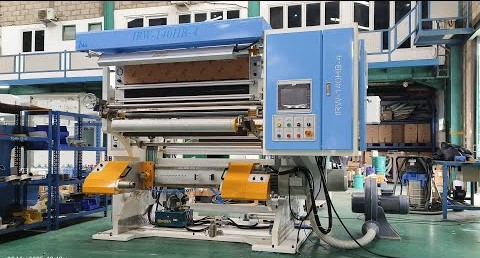
The flexible packaging industry moves fast, and keeping up means investing in more than just good equipment — it means investing in precision. If you're a manufacturer looking to upgrade your production line, getting a solid grasp of what a rotogravure printing machine can do is one of the smartest moves you can make to stay competitive.
At PT. Intermac (International Machinery), we've backed over 1,100 completed projects with deep technical know-how. In this guide, we'll break down why rotogravure continues to set the standard — and what to look for when choosing the right machine for your facility.
1. Why Rotogravure Dominates Flexible Packaging
Rotogravure is a high-speed industrial printing method built for one thing: consistently outstanding print quality across flexible substrates like plastic film, aluminum foil, and paper.
What sets it apart from other methods is how well it holds up over long production runs. The color stays vivid and consistent, the detail stays sharp, and the output stays reliable — batch after batch. In an industry where your packaging is your brand — whether you're printing snack bags, pharmaceutical sachets, or personal care pouches — that kind of reliability isn't optional. It's essential.
2. How It Works: The Precision Process
At the heart of rotogravure printing is a simple but brilliant idea: engrave the image directly onto a cylinder, then use that cylinder to transfer ink onto the material. Here's how the process flows from start to finish:
- Cylinder Engraving: The design is precisely etched into a metal cylinder.
- Ink Cell Transfer: The cylinder dips into an ink fountain, and the engraved cells fill with ink.
- Impression: A doctor blade wipes away any excess ink from the cylinder's surface, leaving ink only in the recessed cells — which then press cleanly onto the substrate.
- Drying: The freshly printed material travels through a drying tunnel where the ink is cured and set.
- Rewinding: Once dried, the finished material is wound back into rolls, ready for downstream processes like lamination or slitting.
3. Key Machine Components
Modern rotogravure machines — including Intermac's IGP series — are engineered to keep downtime low and print quality high. Here are the core components that make that happen:
- Printing Units: Modular stations that hold the engraved cylinders and manage ink delivery.
- Drying Tunnel: High-efficiency chambers that use heat exchangers, electricity, thermal oil, or steam to cure ink quickly and thoroughly.
- Web Tension System: Keeps the substrate from stretching during the run. Intermac machines use AC vector motors for tight speed control and consistent torque across the web.
- Rewind Unit: Ensures the finished material winds up smoothly and under stable tension — critical for clean downstream processing.
4. Types of Rotogravure Machines
There's no one-size-fits-all here. The right configuration depends on what you're actually producing:
- Multi-Color Decks (6–8 Colors): The go-to for complex packaging — think snack bags with full CMYK plus spot colors or specialty coatings.
- Compact Units: For smaller runs or specialized applications, models like the RG-700 deliver a 2-color setup that still produces vivid, detailed output in a smaller footprint.
- Inline vs. Standalone: Inline machines link printing directly with other processes (like extrusion laminating), while standalone units give you more flexibility to handle a wider variety of jobs.
5. Technical Specifications to Compare
When you're evaluating machines, don't just look at price — look at the specs. Here's a quick comparison from Intermac's technical catalog:

6. Industries That Rely on Rotogravure
Rotogravure printing is deeply embedded in several major industries worldwide:
- Food & Beverage: High-barrier pouches for snacks, frozen foods, and condiments.
- Pharmaceutical: Clean, precise printing for blister pack foils and sachets where legibility is non-negotiable.
- Personal Care: Premium glossy finishes for soaps, shampoos, and cosmetic packaging.
- Industrial: Decorative printing for wallpapers, labels, and specialty films.
7. Custom vs. Standard Machines: The Intermac Edge
Off-the-shelf machines work fine for some operations — but manufacturers with ambitious growth targets often find that a standard machine starts holding them back sooner than expected.
That's where Intermac comes in. With 23+ years of experience in the flexible packaging machinery space, we don't just sell machines — we build solutions. We can customize web widths, drying systems, and automation setups to match your facility's specific layout, substrate requirements, and production goals.
8. How to Choose the Right Supplier: 5 Things That Matter
Not every supplier is worth your time. Here's what to look for — especially in the Indonesian market:
- Experience: A solid track record speaks louder than any brochure. Intermac brings over two decades of hands-on expertise in flexible film and paper packaging machinery.
- After-Sales Service: Downtime costs money. Make sure your supplier offers proper reconditioning services and skilled repair support.
- OEM Parts Supply: You need a reliable pipeline for genuine components and spare parts — not guesswork or substitutions.
- Customization Capability: Can they actually adapt the machine to your substrate, speed, or workflow needs — or are they just saying yes to close the deal?
- Local Presence & Lead Time: With our factory and office in West Java, Indonesia, Intermac can respond quickly and support you with people who actually understand the local context.
9. FAQ: Common Questions from Buyers
Q: What substrates can these machines handle?
A: Most modern rotogravure machines — including ours — work with BOPP, PET, aluminum foil, and a range of paper grades.
Q: How do you maintain color registration at high speeds?
A: We use automatic tension control systems and AC vector motors to keep everything in perfect alignment, even when the machine is running flat out.
Q: Is maintenance complicated?
A: Not with our machines. We've built in shaftless cylinder chucking, which makes cylinder changes and cleaning a lot faster and more straightforward.
Q: What drying options do you offer?
A: Electric, steam, thermal oil, or heat exchangers — you choose based on your facility's energy setup and what makes the most economic sense for your operation.
Q: Do you train our operators?
A: Absolutely. Intermac provides hands-on technical training to make sure your team can get the most out of the machine from day one.
10. Ready to Take the Next Step?
If you're serious about upgrading your print quality and production efficiency, PT. International Machinery (Intermac) is ready to help you find the right solution.
Get in touch today:
- Request a Spec Sheet: halo@pt-intermac.com
- Visit Our Factory: Jl. Raya Narogong KM 12, Bekasi, Jawa Barat
- Explore More: www.pt-intermac.com